ZENITEX HOLDING GROUP ZENITEX Holding Group
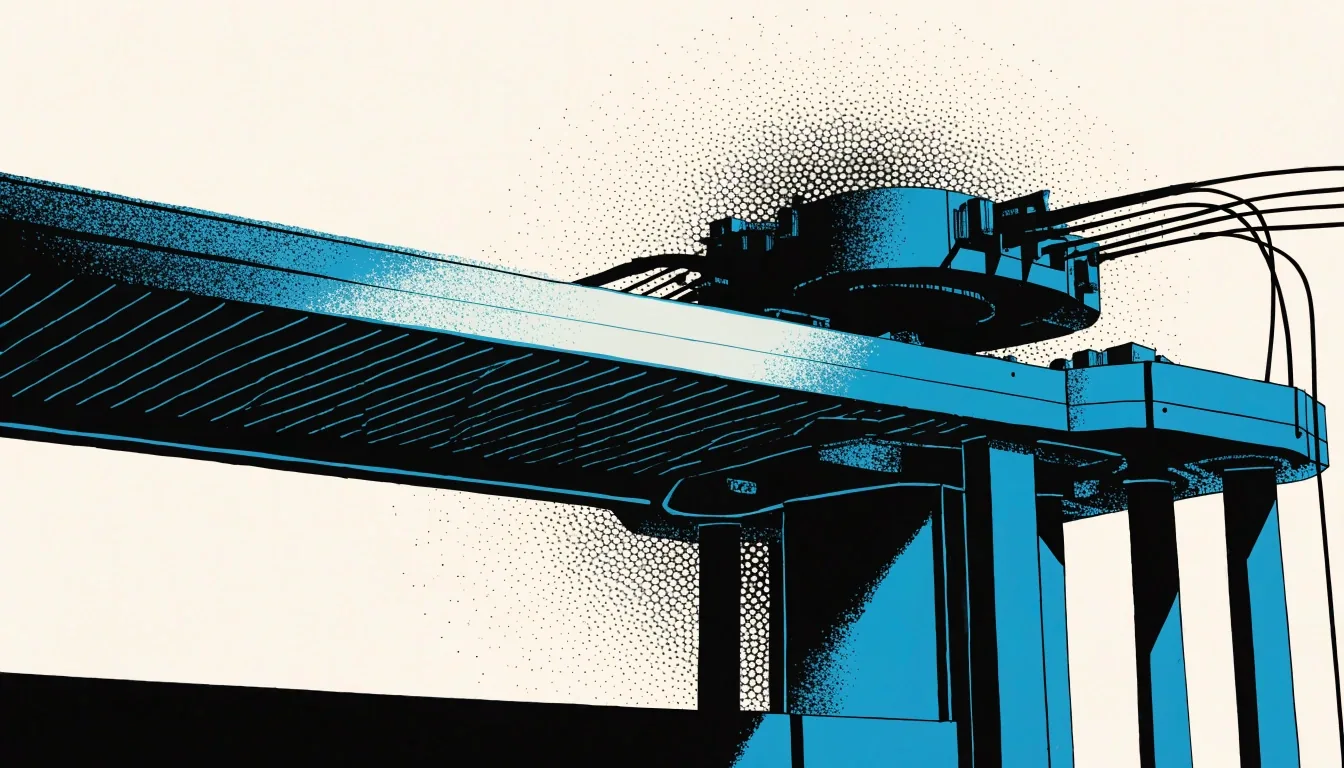
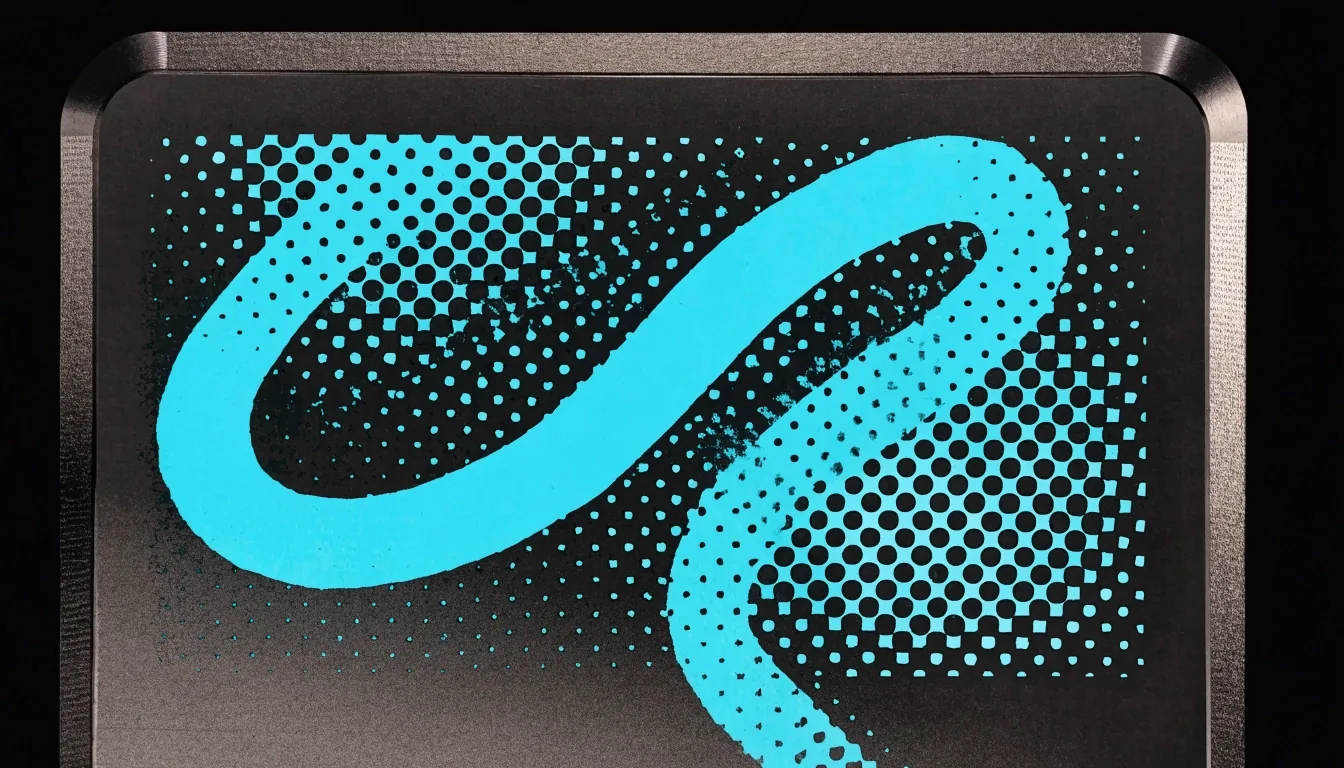
Two matte interactive rigs on a bead-blasted anodised workbench panel under a single cool overhead light

ZENITEX HOLDING GROUP — a digital product studio in Brussels building custom web applications, mobile platforms, immersive 3D experiences and data-driven storytelling.

We build interfaces you can measure.

Someone has to decide what the interface does before anyone builds it. That decision is where most of our time goes — and it starts with a conversation, not a template.

Capabilities

What we actually build

Our work sits in four connected areas: custom web applications, mobile platforms, immersive 3D and interactive data storytelling. A client might arrive with a booking system that outgrew its spreadsheet, an exhibition that needs a touchscreen, or a product catalogue that needs a 3D configurator.

We treat all of these as the same discipline, because they are. We work from a Brussels base and ship across time zones; Belgian clients usually value a studio they can sit down with, and European clients usually value one that answers email the same day. The working hours are published on the contact page so nobody has to guess.

Web

Custom web applications

Software you log into, not a website you read: dashboards, internal tools, booking engines, client portals and platforms that replace a process currently living in email threads. Laravel and Symfony on the server side, React and Vue in the browser, an API in between. If you already have a system, we work with it rather than around it — migrations, awkward legacy databases and half-finished prototypes are normal work for us.

A small internal tool and a public platform have different constraints.

Shipped work
Mobile

Mobile platforms

Cross-platform apps for iOS and Android, usually from one codebase, with native modules where performance or device features require it. Most mobile work starts after a web product already exists, which changes the brief: the app has to feel like a companion, not a shrunken website. Push notifications, offline states, camera access and location decide whether people keep it installed.

A mobile platform without a stable API is a demo, not a product.

Shipped work

Immersive

Immersive 3D and WebGL

WebGL experiences in the browser, interactive 3D product views, augmented and virtual reality prototypes, and installations for events and exhibitions. WebGL lets a 3D scene run inside a normal page with no download and no headset, which is usually what makes it useful for commerce and education — asking someone to install software is where interest dies.

An exhibition interface has to work for someone who will use it for ninety seconds.

Shipped work

A wall-mounted touchscreen on a bead-blasted matte panel under raking studio light
A touchscreen built for a kiosk floor — one screen, one gesture, no instruction card.

Services

The four areas, and how they connect

See all services

Custom web applications

Dashboards, internal tools, booking engines and client portals that replace an existing process.

Mobile apps for iOS and Android

Cross-platform builds with the API layer the app actually talks to.

Immersive 3D, WebGL and installations

In-browser 3D product views and exhibition interactives built for first-time users.

Interactive data storytelling

Public communication and reporting where the interface does the interpreting.

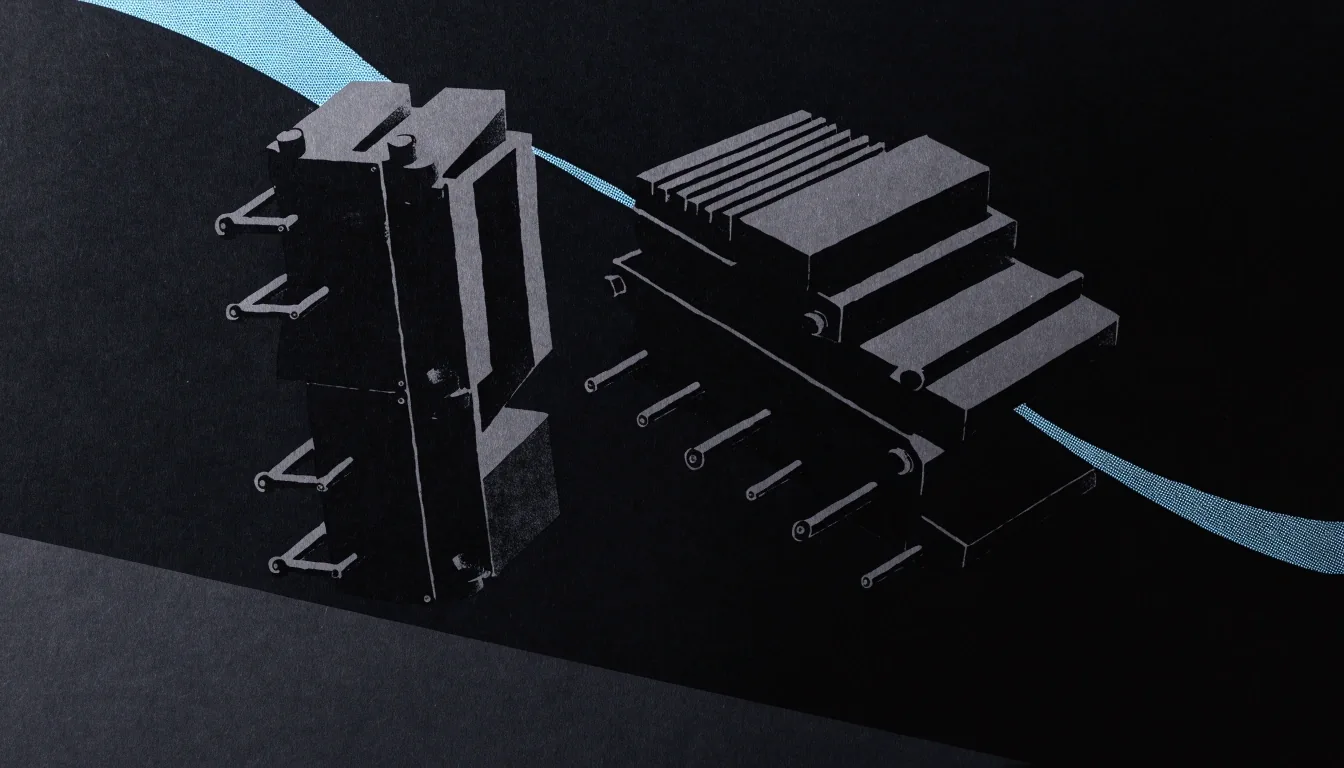
A product configurator rig seen from a low side angle with cables routed to the rear
A 3D configurator rig: the camera stays still, the customer turns the product.

How a project runs

Discovery first, and a written scope at the end of it

Projects run through discovery, prototyping, build and iteration. Discovery ends with a written scope, not a mood board. Prototyping means something clickable early enough to be wrong cheaply. Build is where the engineering happens, and iteration continues after launch, because a product that is never revised is usually a product nobody uses.

If you are not sure which of the four areas fits your situation, describe the problem rather than the solution. Most briefs we receive name a format — "we need an app" — when the real issue is a process that needs redesigning. We will say so, in writing, before any build starts. The biggest cost driver is not design or development; it is how settled the requirements are before the build begins, which is why we front-load that conversation.

Who this is for

Describe the problem, not the format.

We work with companies and institutions that need a product, not a brochure site. That includes retail and e-commerce teams wanting 3D configurators, cultural organisations building exhibition interactives, public bodies needing explainable digital communication, and education projects that live or die on engagement.

Who comes to us

Teams with a process that has outgrown its spreadsheet, an exhibition that needs a touchscreen, or a catalogue that needs a configurator.

What we are not

Not a marketing agency, and we do not run ad campaigns. Not a body shop that adds developers to your team by the month. We do not take on work where the goal is a one-off visual with no product behind it. Saying this saves everyone a meeting.

Where to start

Send the problem in your own words — no brief template required. If a custom build is the wrong answer, we will tell you that instead of quoting for one.

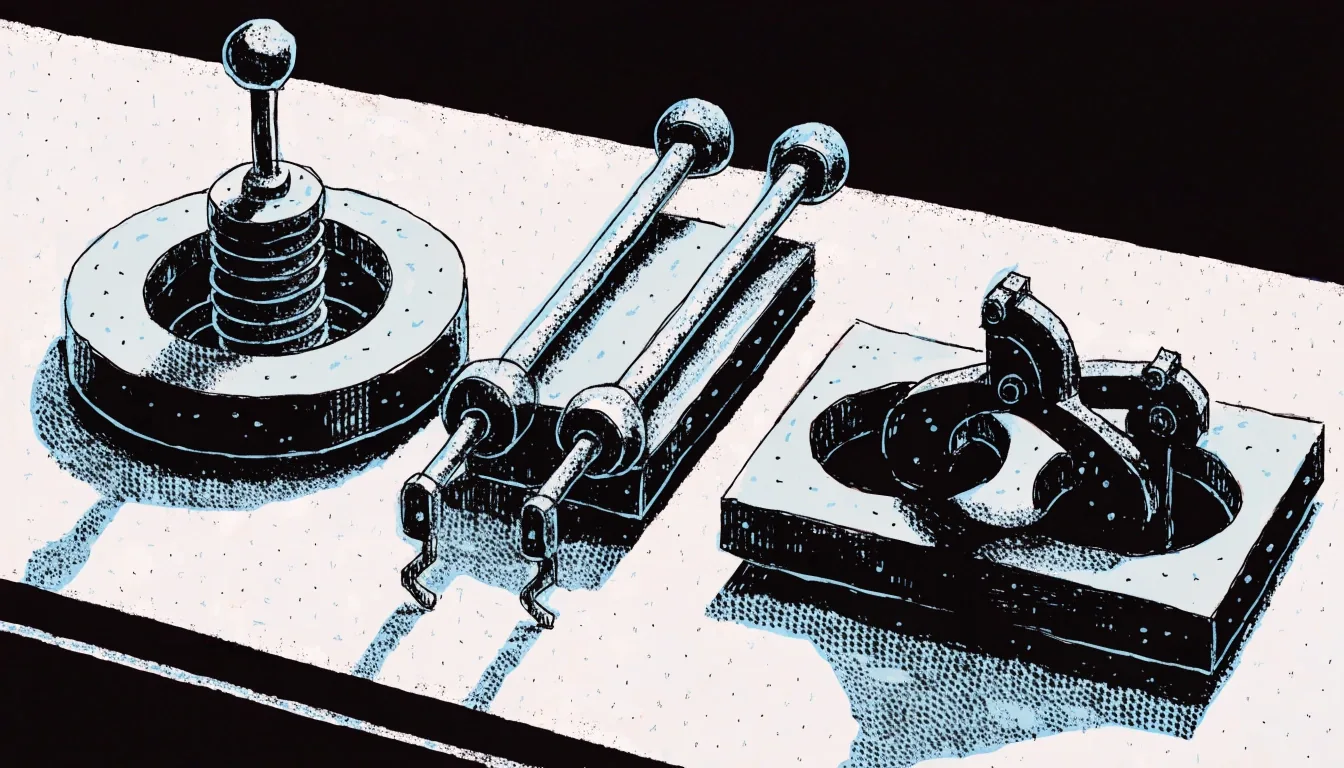
Three interactive studio stations in a row on a bead-blasted bench at night
Three stations, one bench. Work leaves here only after it holds under real data.

Questions

What clients ask before a first meeting

Straight answers, no brochure language. If your question is not here, send it along with the brief — we answer project enquiries within one working day.

What kinds of interactive digital products are actually in demand in Belgium right now?

The recurring requests we see are custom web applications that replace manual processes, cross-platform mobile apps tied to existing platforms, 3D configurators for product discovery, and interactive data stories for public and corporate communication. Immersive installation work clusters around exhibitions and events.

Do you work with clients outside Belgium?

Yes. We are based in Brussels and work with European clients regularly, mostly in the same time zones. Being able to meet in person helps at the start of a project, but it is not a requirement.

How do I know if I need a custom build or an off-the-shelf product?

If your process is standard, an off-the-shelf product is usually the right answer and we will say so. Custom builds make sense when the workflow is genuinely yours, or when an existing product forces you to change how you work.

What happens after I send a brief?

We read it, ask questions if something is unclear, and come back with an honest assessment: whether the scope is realistic, what we would do first, and what it would cost. That reply comes within one working day.

Can you take over an unfinished project?

Often, yes. We review the existing code and the original requirements first. Sometimes the faster path is a rebuild, and we will tell you which one we think it is.

Start here

Tell us what needs building

Send the problem in your own words: the process, the audience, the deadline if there is one. We answer within one working day with an honest read on scope, an idea of what we would do first, and where the real cost sits.

Our studio is in Brussels. Reach us at +3227250431 or [email protected], or use the form on the contact page. Working hours are Monday to Friday, 9:00 AM – 6:00 PM.

Studio

ZENITEX HOLDING GROUP
Rue de la Loi 155
1040 Brussels, Belgium

Website

zenitex.digital

Hours

Monday to Friday
9:00 AM – 6:00 PM

Studio

ZENITEX HOLDING GROUP
Interactive digital product studio in Brussels.

Address

Rue de la Loi 155
1040 Brussels
Belgium

Registration

1112519823

zenitex.digital