ZENITEX HOLDING GROUP ZENITEX Holding Group
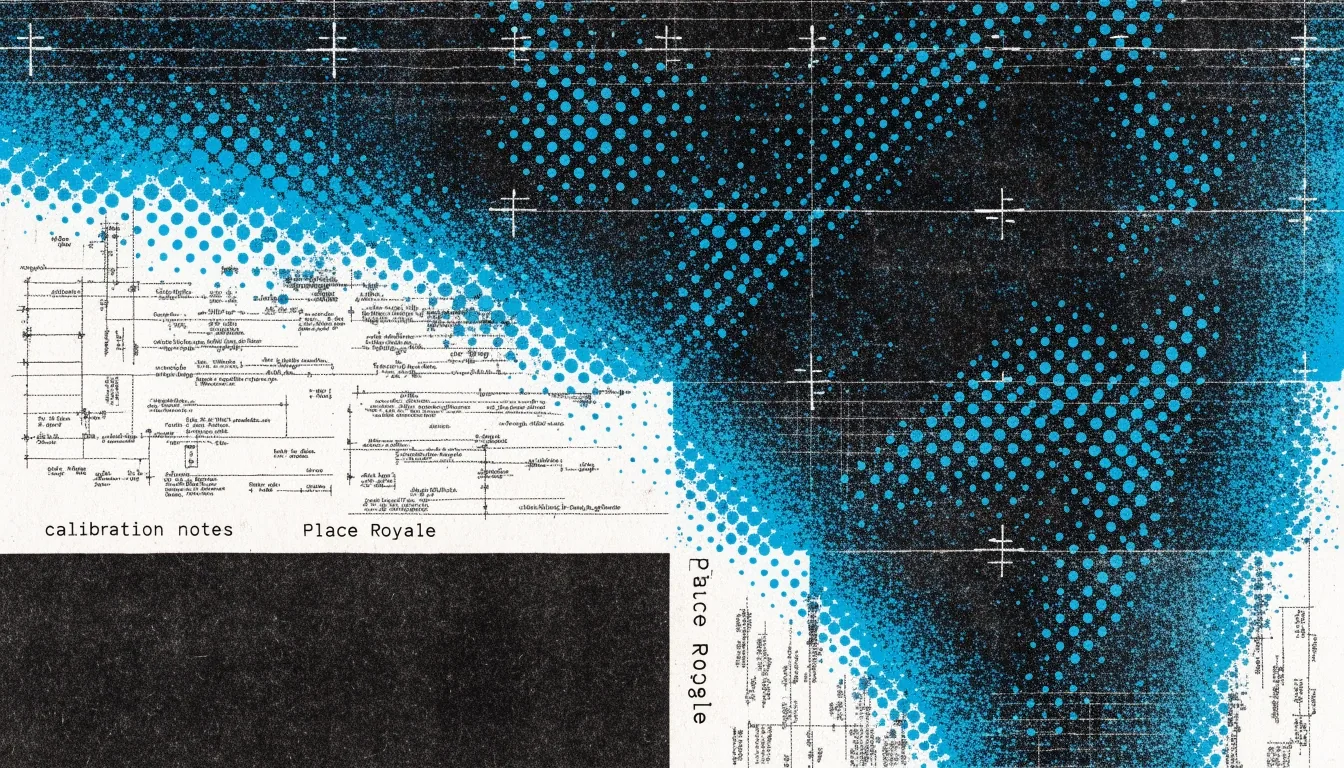
A Brussels product studio's wall of calibration notes: a matte anodised panel covered in cyan and graphite halftone dot fields and hairline measurement rules, lit by a single rake from above

ZENITEX HOLDING GROUP · BRUSSELS

We build interfaces you can measure.

ZENITEX HOLDING GROUP is a digital product studio registered in Belgium under number 1112519823, working from Brussels on interactive digital products for Belgian and European clients.

HOW THE STUDIO IS ORGANISED

A small core team, specialists per project

We keep a small core team and bring in specialists per project rather than keeping a large bench idle. That means the person who scopes your project is usually the person who works on it. It also means we say no to work we cannot staff properly — a real limit, not modesty.

The practical consequence for clients: fewer people in your meetings, and a shorter path between a decision and a change in the build.

Working posture

Scoping and build
same person
Project staffing
core + specialists
Decision to build change
short path
Work we cannot staff
declined

Registered

1112519823

Belgian company registration number, on every invoice we send.

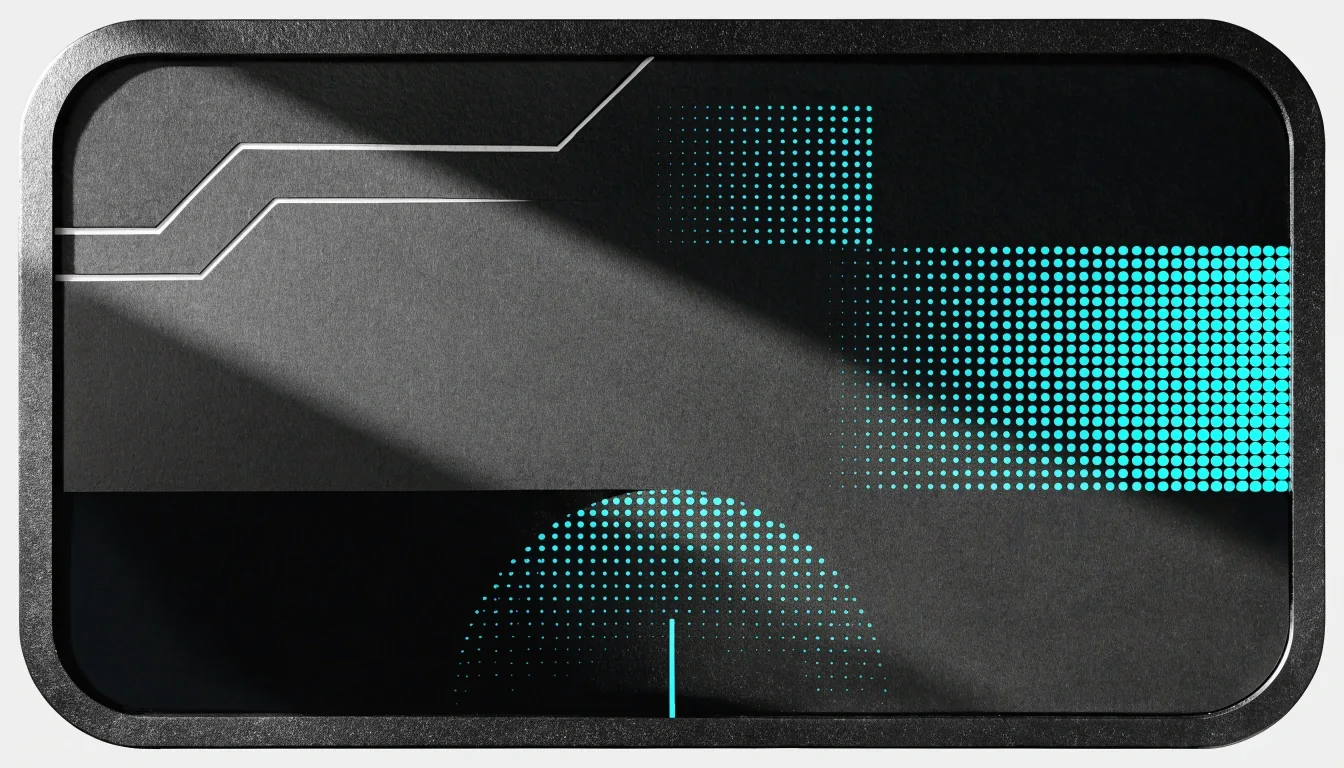
A wall-mounted interface plate on a bead-blasted anodised panel in a Brussels studio, lit by one raking source from the left

Panels mounted flat against the wall instead of in frames — the seam you see is the chamfer, not a bezel.

THE NAME BEHIND THE WORK

One contracting party, printed on every document

Registered in Belgium

ZENITEX HOLDING GROUP is the company you contract with and the name on every invoice. We keep it plain because a studio that hides behind a product brand is hard to hold accountable.

Legal name
ZENITEX HOLDING GROUP
Registration number
1112519823
Domain
zenitex.digital
Base
Brussels, Belgium

WHAT WE MEAN

Measured, not decorated

Every display line we settle gets a two-pixel cyan trace: a marker that this element was calibrated against something — a grid, a data range, a physical dimension. It is how we work.

An interface is not finished because it looks right; it is finished because someone can say what it does and why. This applies to a 3D configurator as much as to a booking form.

If you want the practical version of that principle, the process page walks through it stage by stage.

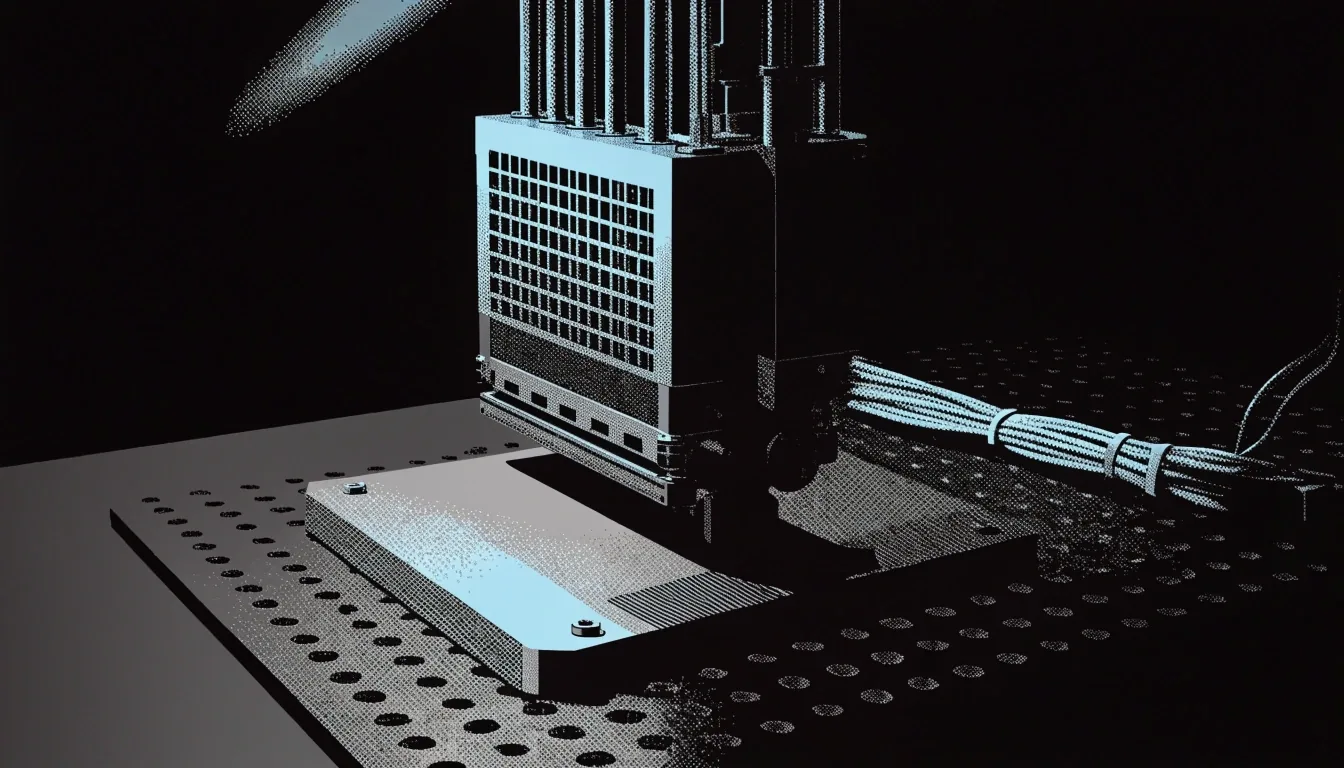
A product configurator rig seen from a low side angle on matte anodised hardware, cables gathered to the rear under a single overhead source

Cables routed to the rear, so the surface you point at is the surface you see.

WHERE THE WORK SITS

The middle of the Belgian field

Belgium has a dense design and product scene. Beyond what we do, there are interaction-led studios in Namur building immersive installations and real-time 3D, product studios in Antwerp, Leuven and Ghent building custom platforms, and specialist platforms that sell 3D product experiences with commerce built in.

We sit in the middle: we build the application, and we build the experience layer on top of it when the project needs one.

That positioning is deliberate. A studio that only does websites cannot build a configurator. A studio that only does installations rarely ships a maintainable platform. Our clients usually need both halves.

Studio type
Interaction-led studios Installations and real-time 3D Rarely ships a maintainable platform
Product studios Custom platforms and applications Cannot build the experience layer
3D commerce platforms Product experiences with built-in commerce Not a custom application
ZENITEX HOLDING GROUP The application, and the experience layer on top You inherit both halves

Comparison based on the studio types our clients typically evaluate when they commission an interactive product.

A wide view of a Brussels product studio bench at night: three interactive stations in a row under one raking overhead source, no people

The whole bench: three stations, one light, short shadows. This is what a working night looks like.

PRINCIPLES WE ACTUALLY APPLY

The four, and what they cost

None of these are unusual. The difficult part is holding them when a deadline moves.

  • We write the scope before the design

    The document that says what is being built, for whom, and by when comes first. Design starts when that document is agreed, not before.

    cost: slower start

  • We prototype early enough to be wrong cheaply

    A rough cut of the interaction in the first weeks, so that the expensive part of the build is informed by what we learned from the rough one.

    cost: some throwaway work

  • We say what a project will not include, in writing, at the start

    The excluded scope is in the same document as the included scope. It is easier to argue about a line at the beginning than about an expectation at the end.

    cost: fewer nice surprises

  • We keep the code readable for whoever inherits it

    Because that person might be you. Readable code is the difference between a platform your own team can extend and one only we can touch.

    cost: fewer clever tricks

The audience we write for

Usable without a glossary

Our articles and page copy assume you are evaluating the field, not that you already work in it. If you are a product manager, a marketing lead or a founder who needs to commission an interactive product for the first time, the material here should be usable without a glossary.

If you do work in the field, you will probably find some of it basic. That is a trade-off we have made on purpose.

THE SPECIFICATION

Reaching a person

Enquiries go to [email protected] or +3227250431. We read them ourselves. If your question is small, ask it by email rather than booking a call — it is usually faster for both sides.

Company

ZENITEX HOLDING GROUP

Registration

1112519823

Domain

zenitex.digital

Studio

Rue de la Loi 155

1040 Brussels

Belgium

Hours

Monday to Friday

9:00 – 18:00